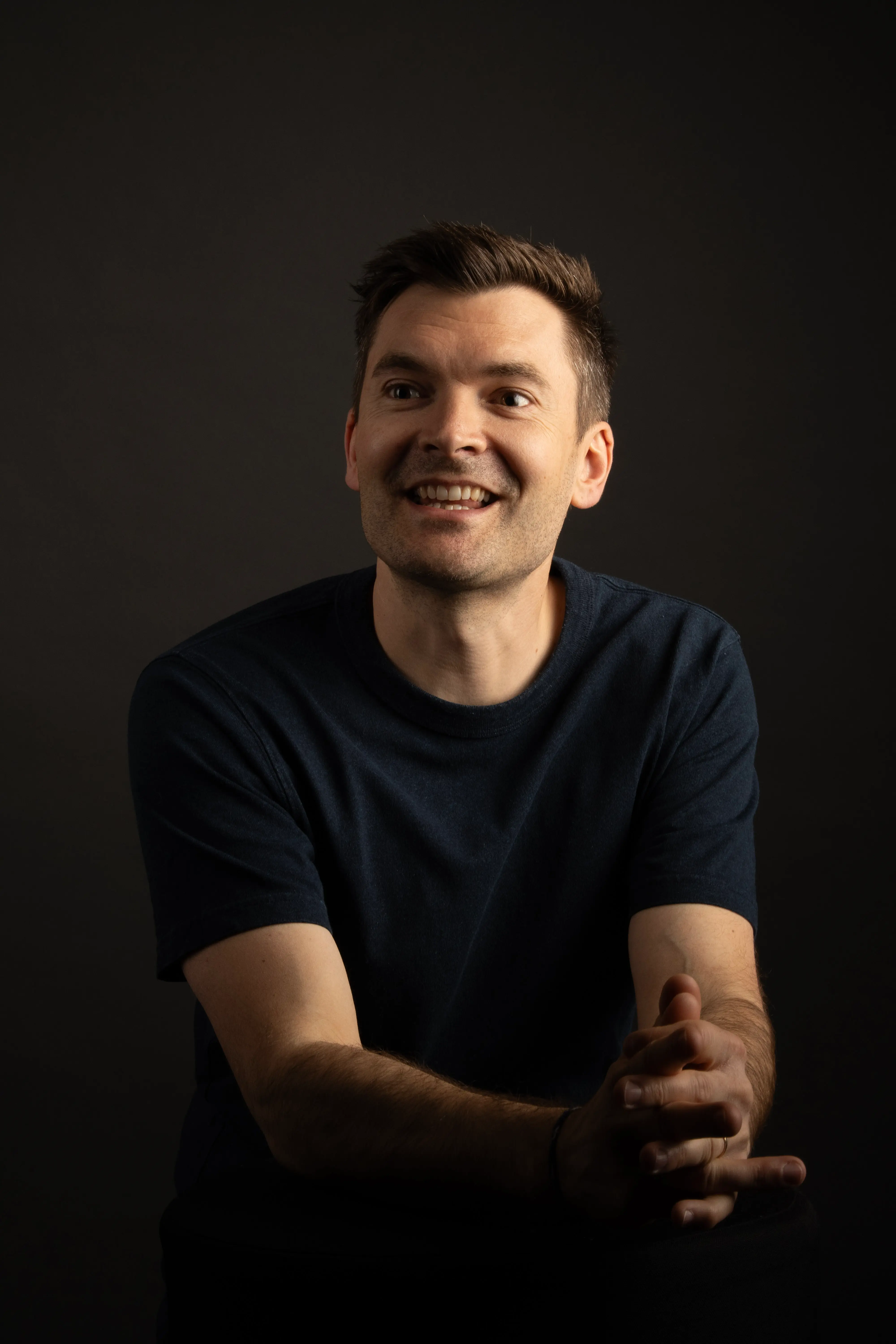
Samuel Dyer
Sam started his professional career in Bristol, in the UK, where he spent ten years working inside a multidiscipline clinic. Working alongside other practitioners every day shaped how he thinks about care. He's never been a single-technique practitioner. If a patient needs something that falls outside his scope, he'd rather refer them to the right person than try to be everything to everyone. That collaborative habit, formed over a decade in Bristol, is something he brought with him to Luxembourg.
He moved to Luxembourg in 2019 to join his partner, and has been practicing here ever since. Over those years, his approach has helped more than 2,000 patients, and the number keeps growing. He prides himself on finding solutions for people that genuinely work, and on going the extra mile to help where possible. Sam's approach is unique, interested, and caring. Patients describe sessions with him as thorough, attentive, and personal, the kind of care that comes from a practitioner who actually wants to understand the person in front of him.
His method is straightforward. Listen to the patient first, properly. From there he tests the body to understand the complaint as fully as possible, including the associated structures that might be the actual cause rather than the part that's hurting. Once he has a complete picture, he suggests a treatment plan that includes self-care work the patient does between sessions, designed to resolve the issue as quickly as possible.
When new patients come in, the first part of the process is the same every time. Understand the problem, understand the desired outcome, and understand who the person is. Only then does the treatment method get built. It has to work clinically, it has to meet the outcome the patient wants, and it has to fit into their actual life. That last part matters. A treatment plan that doesn't fit a patient's lifestyle isn't going to be followed, and one that isn't followed won't deliver the result. Just as importantly, the plan should support the patient in reducing the chance of the issue happening again, because the goal is resolution, not repeat visits.